Categories
Uncategorized

WINTER 2240

From Puerto Rico, where it’s a little warmer….

Categories
Uncategorized

WINTER 2239

Categories
Uncategorized

WINTER 2238

Categories
Uncategorized

WINTER 2237

In recognition of the United States’ 250th Anniversary, I’m going to start an occasional series of posts featuring historic gardens and interesting sites from all over this Country.

POPE’S CREEK,a.k.a. WAKEFIELD

Pope’s Creek, also known as Wakefield, was George Washington’s birthplace. His great-grandfather, John Washington established this tobacco plantation in Westmoreland County, Virginia after purchasing the property from Nathaniel Pope, a local landowner.

According to Mount Vernon’s Digital Library, “John Washington was a tobacco trader, ‘…whose merchant ship had sunk in a storm. Washington remained in Virginia, marrying Nathaniel’s daughter Anne in 1658. John Washington acquired hundreds of acres of land and built his home next to nearby Bridges Creek along with several outbuildings and a family cemetery.’ “

George Washington’s father, Augustine Washington, began work on a manor house in 1722. George Washington was born there on February 22, 1732, but only lived at Pope’s Creek until he was three years old.

Now a National Park, Pope’s Creek boasts a beautiful Colonial Revival Garden.

Here is information about the site from the National Park Service,

Colonial Revival Gardens

“Throughout history, herbs, shrubs, flowers, and trees have been known for their healing properties, flavoring qualities, and beauty. Plants used for eating, dyeing cloth, seasoning food, as well as for curing various ailments were cultivated at plantations like the Popes Creek Plantation that George Washington was born on.

Medicinal Herbs and Dye Plants

Undoubtedly, the most important use of herbs was medicinal. Those who lived on a plantation had to rely on remedies from their gardens.

Horehound was popular for gastric upsets. Sassafras was important for dental cleanliness. Cinquefoil, an astringent, was used for night sweats. Coriander was used for gastrointestinal problems and bad breath.

Some plants were used as dyes. Yellow dyes were provided by Queen Anne’s lace, sunflower, marigold, and golden rod. Blues, purples, and indigos came from indigo, mulberries, elderberries, and blackberries. Greens came from Lily of the Valley, snapdragon, and lilac. Brown dye was made from black walnut husks. Red dyes were made from chokecherry.

Seasoning Herbs

Rosemary, thyme, basil, chives, mint, sage, marjoram, savory, and oregano were tasty and aromatic herbs that were frequently used in cooking. Seasoning with herbs served as a double purpose. Not only did it add flavor and color to a dish, but in a world that lacked refrigerators, it hid parts of a meal that were beginning to go bad.

Caring for an herb garden was a vital part of plantation life. Harvesting, drying, and storing properly was important because dried herbs held their essence for less than six months. Planting, wedding, and harvesting were all important parts of care. Many herbs had a natural repellant to insects so that the use of pesticides was not needed.

Flowers

There were a variety of flowers in the colonial garden. Azaleas, sunflowers, hydrangeas, roses, English ivy, clematis, holly, and lilies are just a few of the popular flowers grown.

Some of the things to be considered when planting a garden was sunlight and shade, proximity to water, and bees. Most gardeners had beehives very close to the garden to promote pollination that helped other plants to flourish. One favorite pastime of gentry ladies was tending the flower gardens. They loved their pure scents. Giving into the beauty of the flowers created the opportunity for many perfumes and soaps to be made in the colonies.

Flowers were also used as decorations in homes, churches, taverns, hair, and clothing, to name a few. Even fashions were influenced by floral arrangement designs.

Bushes and Shrubs

In colonial times, and in many gardens today, hedges were used to outline a garden. These were used often as natural fences as well as used for their beauty. In Virginia, boxwoods were a very popular shrub used. A popular use, if one had the money, was to cultivate a maze or labyrinth. Well-tended shrubbery presented a place for private conversations and good hiding places for children’s games. One could relax in the shade, or follow a trail to the rest of the garden. However, because plants like these tended to grow copiously, it was important to keep them in check. Every place a person went, these plants could be seen and recognized.

The Colonial Revival Garden

The garden at George Washington Birthplace National Monument has been a work in progress. The style of the garden is colonial revival, meaning it was designed to resemble the gardens of the mid-nineteenth century as part of a movement to return to the nation’s roots. It is laid out so that there is a section for each need related to a colonial farm. The shape is very geometric and this was important in not only colonial revival, but also in colonial architecture. This architecture was based upon the direction of the sunrise and sunset. Too much sun for some plants was not a welcome thing, while not enough sunlight was harmful for other plants, so the design was one of the important features of the garden.


In the 18th century, growing and caring for a garden, was a very important part of life. Everything colonial Virginians could grow, they did; not only for beauty, but health, wealth, and sustenance. It was difficult work, but a colonial garden was seen as a symbol of well-being.”

Located in Westmoreland County, Virginia Pope’s Creek is not far from Colonial Beach, Virginia, and is not too far from Ashland!

Sources cited:

https://www.mountvernon.org/library/digitalhistory/digital-encyclopedia/article/popes-creek

https://www.nps.gov/articles/000/colonial-gardens.htm

Categories
Uncategorized

WINTER 2236

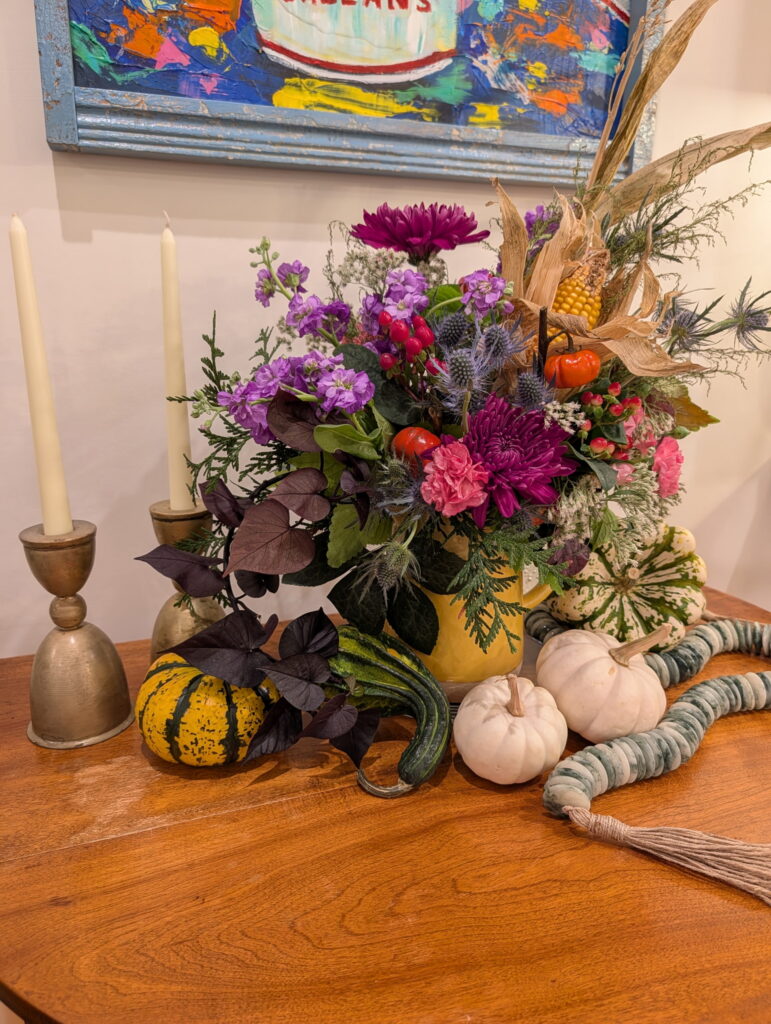
Upgraded dining by candlelight….